
Overview
The Mittelhaardt villages of Forst and Deidesheim produce Germany's most powerful dry Rieslings outside the Mosel. Basalt outcrops in the Forster Kirchenstück and Jesuitengarten retain heat to produce Riesling of tropical richness combined with Rhenish mineral precision. Dry Pfalz Riesling GGs are Germany's most food-versatile wines.
In The Glass
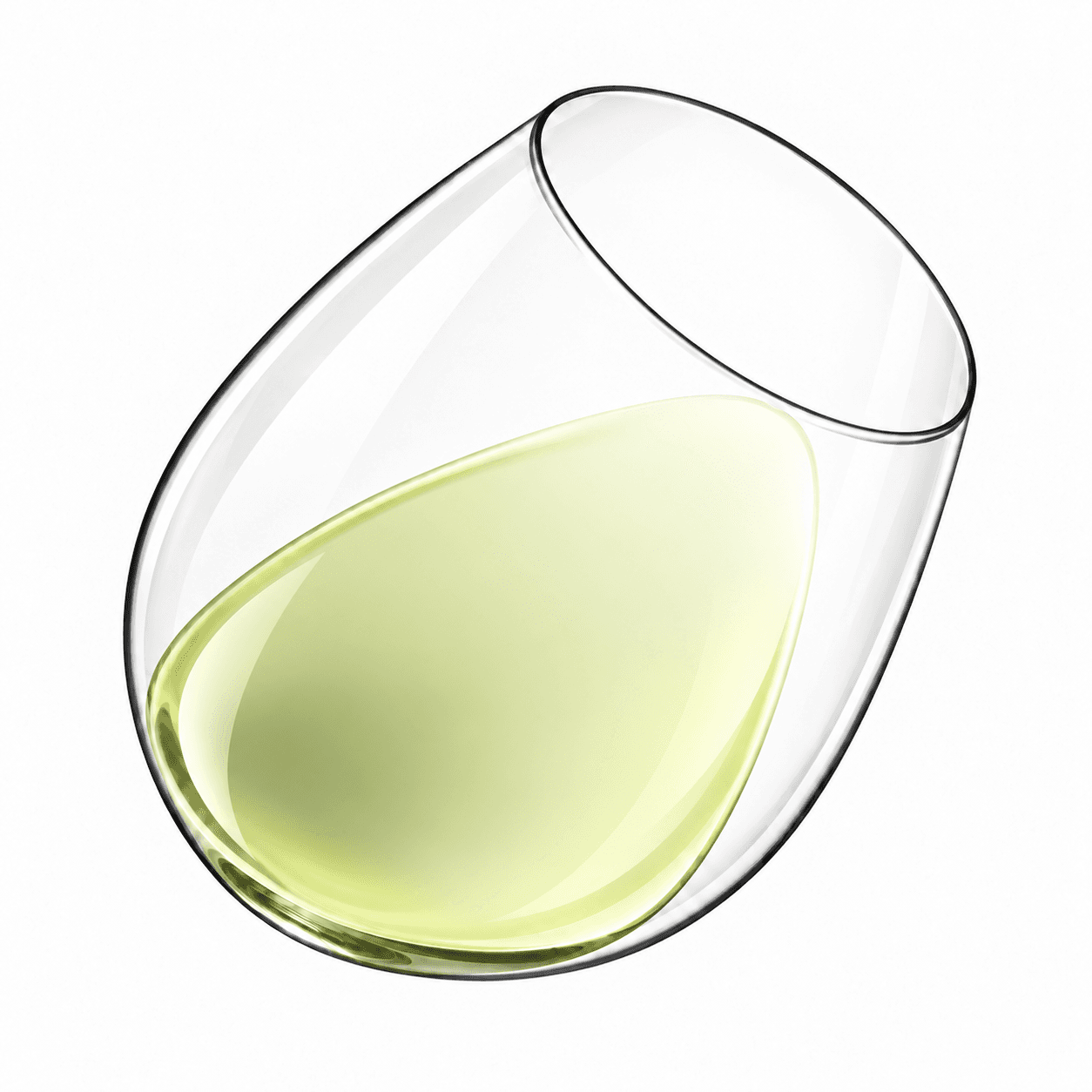
- Colour
- Pale lemon-green
- Nose
- Peach, Mango, Pineapple, Minerals and White flowers.
- Palate
- Germany's most powerful dry Riesling — tropical, mineral, compelling. Generally medium-bodied, crisp acidity, dry, with a long finish.
Tasting Profile
Body Medium3/5
Tannins Silky1/5
Acidity Crisp4/5
Sweetness Bone Dry1/5
Alcohol Medium3/5
Grapes
RieslingSpätburgunder
Aromas And Notes
PeachMangoPineappleApricotCitrusMineralsWhite flowersSpicePetrolHoneyBeeswaxPetrol
Terroir
Continental — warmest of Germany's regions, protected by the Haardt mountains.
BasaltSandstoneLoamLimestone
Food Pairings
Saumagen (Pfalz pork)Riesling-braised pikeWhite asparagusMunster cheese
Notable Producers
- Dr. Bürklin-Wolf, founded 1597 - Kirchenstück Riesling GG
- Bassermann-Jordan, founded 1718 - Forster Jesuitengarten GG
- Reichsrat von Buhl, founded 1849 - Forster Pechstein GG